Why Is Music Wire the Preferred Material for High-Performance Springs and Precision Applications
2026-06-24
In industries where precision, durability, and consistency are critical, Dingyan has become a trusted supplier of high-quality Music Wire solutions. Known for its exceptional tensile strength, excellent elasticity, and superior fatigue resistance, Music Wire is widely used in spring manufacturing, automotive components, industrial equipment, medical devices, and countless precision-engineered products. As manufacturers continue to seek materials that can withstand demanding operating conditions, Music Wire remains one of the most reliable and cost-effective choices available today.
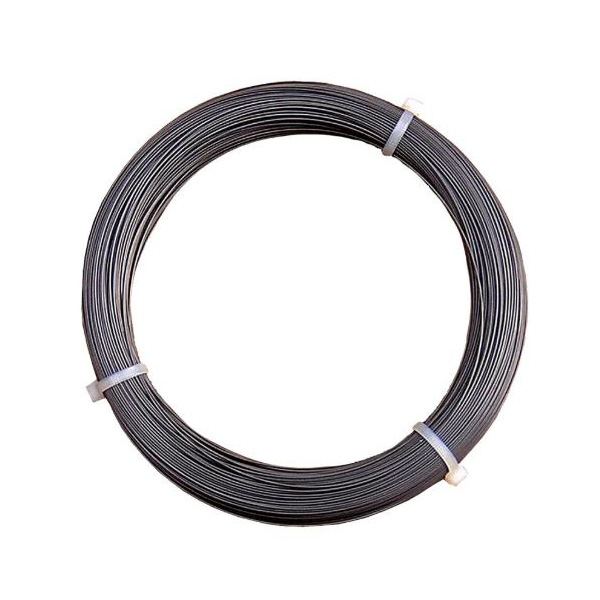
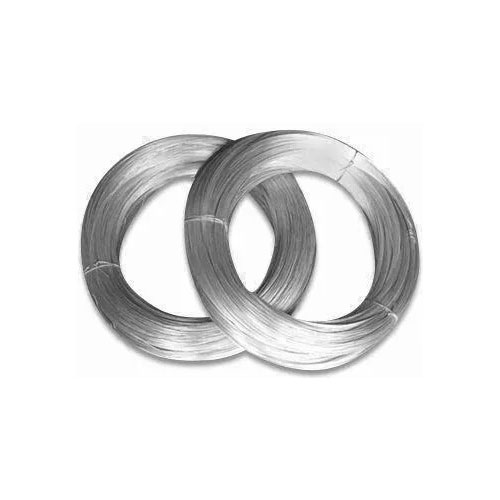
Music Wire is a high-carbon spring steel wire manufactured through a precise cold-drawing process. Originally developed for piano strings and musical instruments, its superior strength and elasticity quickly led to widespread industrial adoption.
Today, Music Wire is commonly used in applications requiring high tensile strength, excellent fatigue resistance, and precise dimensional control. The material is often produced according to ASTM A228 standards, ensuring consistent quality and performance across industries.
Why Is Music Wire So Popular?
Several factors contribute to the widespread use of Music Wire in modern manufacturing:
Exceptional tensile strength
Outstanding elasticity
High fatigue resistance
Excellent surface quality
Cost-effective production
Reliable dimensional accuracy
Long service life
These characteristics make Music Wire suitable for applications that experience repeated loading and unloading cycles without significant performance degradation.
How Is Music Wire Manufactured?
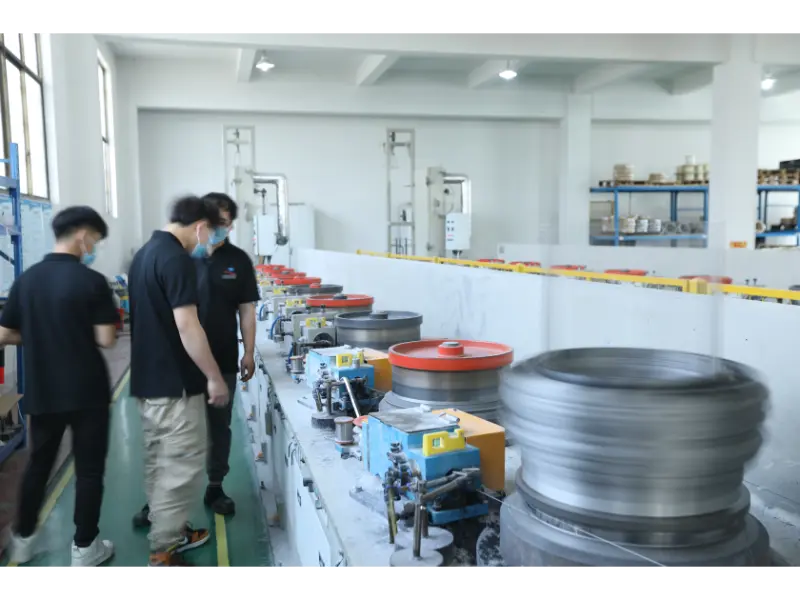
The production of Music Wire involves several carefully controlled stages designed to achieve maximum strength and consistency.
Manufacturing Stage
Purpose
Raw Material Selection
Choose high-quality high-carbon steel
Rod Preparation
Clean and prepare steel rod surfaces
Cold Drawing
Reduce diameter while increasing strength
Heat Treatment
Optimize microstructure and mechanical properties
Surface Finishing
Improve surface quality and dimensional accuracy
Quality Inspection
Verify compliance with specifications
The cold-drawing process significantly enhances the tensile strength of the wire, making it suitable for demanding spring applications.
Key Properties of Music Wire
Music Wire offers a unique combination of mechanical and physical characteristics that distinguish it from other wire materials.
Property
Performance
Tensile Strength
Extremely High
Elasticity
Excellent
Fatigue Resistance
Outstanding
Dimensional Accuracy
High Precision
Cost Efficiency
Excellent
Formability
Good
High Tensile Strength
Music Wire is among the strongest commercially available spring wire materials, allowing engineers to design compact yet powerful spring systems.
Superior Fatigue Life
Components made from Music Wire can withstand millions of loading cycles, making them ideal for long-term industrial applications.
Music Wire is used across numerous industries due to its reliability and performance characteristics.
Spring Manufacturing
Compression springs
Extension springs
Torsion springs
Valve springs
Precision instrument springs
Automotive Industry
Automotive manufacturers rely on Music Wire for critical components requiring durability and fatigue resistance.
Engine valve springs
Brake system springs
Clutch springs
Seat mechanisms
Suspension components
Medical Devices
Precision and consistency make Music Wire suitable for various medical equipment and surgical instruments.
Industrial Equipment
Mechanical assemblies
Control systems
Electrical switches
Safety devices
Automation equipment
Consumer Products
Everyday products often contain Music Wire components that provide reliable performance over years of use.
Music Wire vs Other Spring Wire Materials
Selecting the appropriate wire material requires understanding the strengths and limitations of each option.
Material
Strength
Corrosion Resistance
Cost
Typical Applications
Music Wire
Excellent
Moderate
Low
General-purpose springs
Stainless Steel Wire
Good
Excellent
Higher
Corrosive environments
Oil Tempered Wire
Good
Moderate
Moderate
Heavy-duty springs
Chrome Silicon Wire
Very High
Good
High
High-temperature springs
For many standard spring applications, Music Wire provides the best balance of strength, performance, and affordability.
How to Choose the Right Music Wire
Choosing the correct Music Wire requires evaluating multiple factors:
Application Requirements
Load capacity
Operating stress
Fatigue life requirements
Environmental conditions
Wire Diameter
The diameter directly affects spring rate, load capacity, and manufacturing feasibility.
Surface Finish
Higher-quality surface finishes improve fatigue performance and reduce the likelihood of crack initiation.
Compliance Standards
Ensure the wire complies with recognized industry specifications such as ASTM A228.
Quality Standards and Specifications
Reliable suppliers implement strict quality control procedures throughout the manufacturing process.
Raw material verification
Dimensional inspection
Tensile strength testing
Surface defect examination
Fatigue performance evaluation
Traceability management
Dingyan follows comprehensive quality management systems to ensure every batch of Music Wire meets customer expectations and international standards.
Future Trends in Music Wire Manufacturing
As industries evolve, Music Wire production continues to improve through technological innovation.
Advanced Drawing Technologies
Modern equipment enables tighter tolerances and improved surface quality.
Enhanced Quality Monitoring
Automated inspection systems increase consistency while reducing production variability.
Sustainable Manufacturing
Manufacturers are adopting environmentally responsible practices that reduce waste and improve resource efficiency.
Industry 4.0 Integration
Digital manufacturing systems allow real-time monitoring and process optimization throughout production.
Frequently Asked Questions
What is Music Wire made of?
Music Wire is typically manufactured from high-carbon steel that has been cold drawn to achieve exceptional tensile strength and elasticity.
Why is it called Music Wire?
The material was originally developed for piano strings and other musical instruments before becoming widely used in industrial spring applications.
What industries use Music Wire?
Industries including automotive, aerospace, medical, electronics, industrial machinery, and consumer products commonly use Music Wire.
Is Music Wire stronger than stainless steel wire?
In many cases, Music Wire offers higher tensile strength, while stainless steel provides better corrosion resistance.
Can Music Wire be used outdoors?
It can be used outdoors, but protective coatings or alternative materials may be recommended in highly corrosive environments.
What standards govern Music Wire production?
ASTM A228 is one of the most widely recognized standards for Music Wire manufacturing and quality control.
Conclusion
Music Wire remains one of the most trusted materials for springs and precision-engineered components because of its remarkable strength, elasticity, fatigue resistance, and cost efficiency. From automotive systems and industrial machinery to medical devices and consumer products, its versatility continues to support innovation across countless industries. As manufacturing technologies advance, the performance and reliability of Music Wire are expected to reach even higher levels, making it an essential material for future engineering applications.
Looking for a dependable supplier of premium Music Wire solutions? Contact us today to discuss your project requirements, request technical support, or obtain a customized quotation. The experienced team at Dingyan is ready to help you find the ideal Music Wire products for your specific application and long-term business success.
We use cookies to offer you a better browsing experience, analyze site traffic and personalize content. By using this site, you agree to our use of cookies.
Privacy Policy